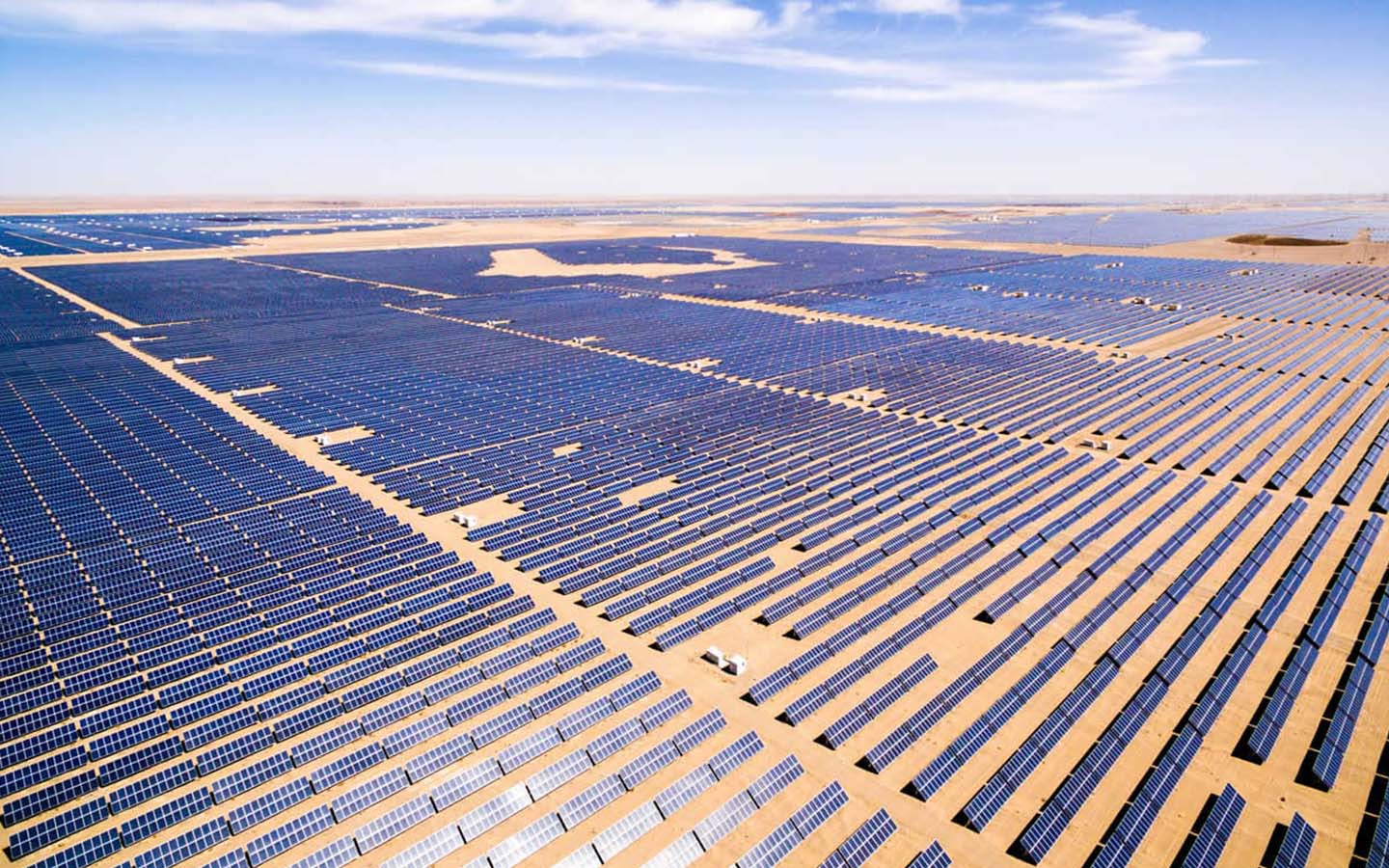
Angola is cementing solar power as a crucial element of its national energy strategy. This move is aimed at enhancing the complementarity between solar and hydropower, with the latter remaining the backbone of the national electricity system, the Angolan weekly newspaper Expansão reports.
The country currently has approximately 400 MW of solar capacity operational and aims to increase this to 650 MW in the coming years. Significant capital outlay has been directed towards large-scale projects, with the Biópio (189 MW) and Baía Farta (96 MW) solar parks alone representing a combined investment exceeding USD 570 million.
The full seven-park programme, which includes new developments in the provinces of Huambo, Bié, Lunda Norte, Lunda Sul, and Moxico, is expected to drive total investment well beyond US$700 million.
[See more: Pope’s visit set to boost religious tourism in Angola]
The government is simultaneously advancing decentralised solutions, such as mini-grids and hybrid solar systems equipped with battery storage, which are estimated to provide an aggregate capacity of around 220 MW. A key milestone was the 2025 inauguration of the largest off-grid solar park in Sub-Saharan Africa, situated in eastern Angola, which was designed to guarantee continuous power to more than 130,000 people in remote areas, Expansão says.
The adopted development model relies on partnerships between the state, international companies, and multilateral financial institutions. Public enterprises like PRODEL (generation) and RNT (transmission) are responsible for the operation and integration of the energy into the national grid. However, new private entities, including Total Eren, Sonangol, and Greentech, are entering the sector, specifically through the Quilemba project.
This hybrid framework – where the public sector controls the direction but the private sector handles execution and financing – represents a future for Angola’s power sector featuring a greater openness to foreign capital and shared risk mechanisms.
PakarPBN
A Private Blog Network (PBN) is a collection of websites that are controlled by a single individual or organization and used primarily to build backlinks to a “money site” in order to influence its ranking in search engines such as Google. The core idea behind a PBN is based on the importance of backlinks in Google’s ranking algorithm. Since Google views backlinks as signals of authority and trust, some website owners attempt to artificially create these signals through a controlled network of sites. In a typical PBN setup, the owner acquires expired or aged domains that already have existing authority, backlinks, and history. These domains are rebuilt with new content and hosted separately, often using different IP addresses, hosting providers, themes, and ownership details to make them appear unrelated. Within the content published on these sites, links are strategically placed that point to the main website the owner wants to rank higher. By doing this, the owner attempts to pass link equity (also known as “link juice”) from the PBN sites to the target website. The purpose of a PBN is to give the impression that the target website is naturally earning links from multiple independent sources. If done effectively, this can temporarily improve keyword rankings, increase organic visibility, and drive more traffic from search results.
Streaming Film
Nonton Film gratis
Jasa Backlink
Download Anime Batch